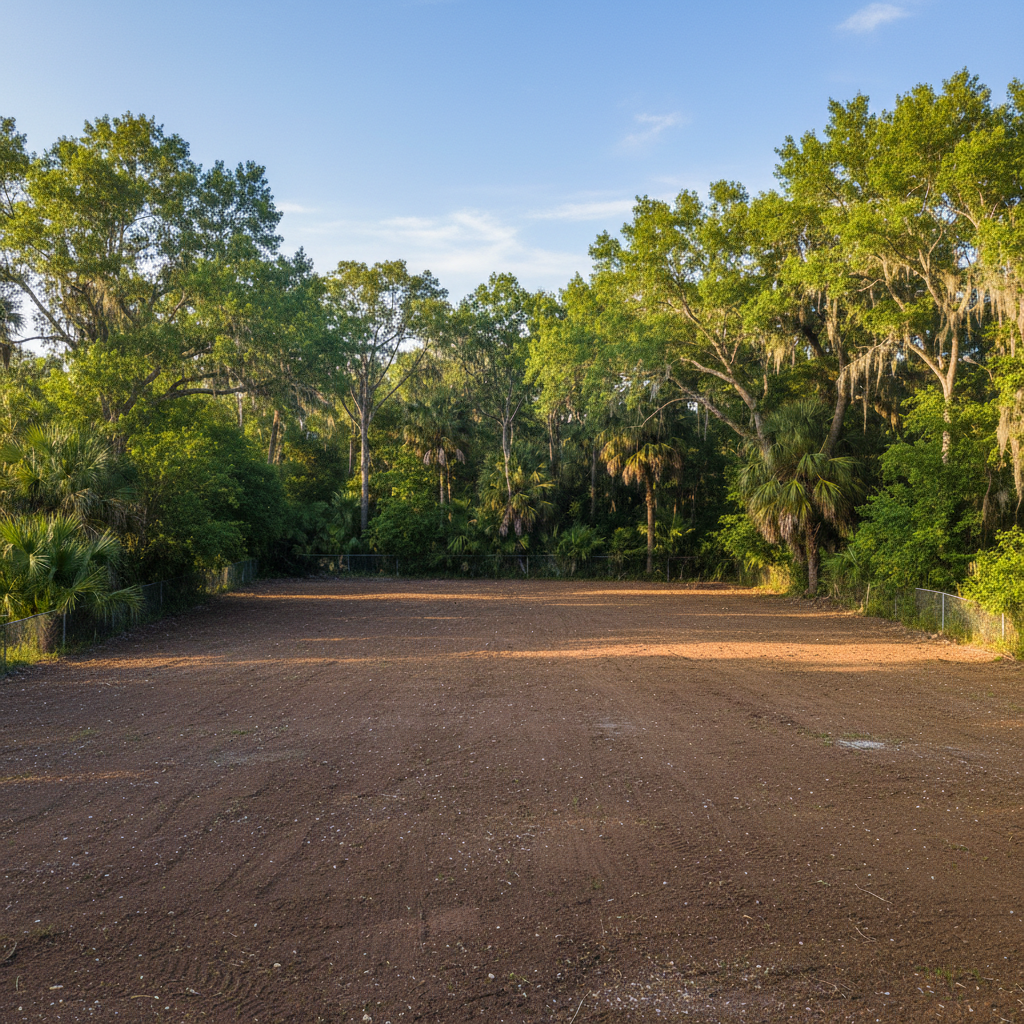
Alright, so you've got a pile of junk, construction debris, or storm damage aftermath sitting on your property here in Silver Springs. Maybe you just finished a renovation, or maybe that old shed finally gave up the ghost. Whatever it is, you're looking at a debris removal project, and you're probably wondering where to even start. I've seen a lot of these projects over the years, and I can tell you, a little planning goes a long way. It saves you headaches, time, and money.
Setting Your Project Timeline
First things first, let's talk timeline. This isn't rocket science, but people often underestimate how long things take. You can break it down into a few stages:
- Initial Assessment & Quoting (1-3 days): You'll need to figure out what kind of debris you have, how much of it, and then get a few quotes. Don't rush this.
- Permits (if needed, 1-4 weeks): For bigger demolition jobs or projects involving hazardous materials, you might need permits from Marion County. Your contractor should help you figure this out, but it's on you to make sure it's handled.
- Scheduling (1-2 weeks out): Good contractors are busy. Once you pick one, expect to schedule the actual work a week or two out, especially during peak season or after a hurricane.
- Actual Removal (1 day to 1 week): This is the shortest part, usually. Most residential debris removal can be done in a day or two. Bigger projects, like a full house demo, might take longer.
So, from thinking about it to having a clean yard, you're usually looking at anywhere from two weeks to a month. Plan accordingly, especially if you've got other work lined up.
What to Expect During the Process
Once you've got a contractor lined up, here's what typically happens:
First, they'll show up with the right equipment. For most residential jobs, that's usually a truck and maybe a skid steer or mini excavator if there's heavy stuff. They'll assess the site one last time before getting to work. Safety is paramount, so don't be surprised if they set up cones or tape off an area. They're protecting you, your property, and their crew.
The crew will then start loading the debris. They'll sort it if necessary, especially if there are recyclables or specific disposal requirements. For example, if you're tearing down an old mobile home, there's a lot of metal that needs to go to a scrap yard, not just the landfill. They'll haul it away to the appropriate disposal sites. Here in Silver Springs, we've got that sandy soil, which means things can get dusty fast, especially if it hasn't rained in a while. A good crew will try to minimize that, but expect some dust and dirt.
Finally, they'll do a site cleanup. This means sweeping up smaller bits, raking, and making sure the area is as clean as possible. You shouldn't be left with a mess once they leave.
How to Prepare Your Property
You can make the whole process smoother for everyone involved:
- Clear the area: Move anything you want to keep out of the work zone. Patio furniture, potted plants, kids' toys – get 'em out of the way.
- Identify utilities: Mark any underground sprinkler lines, septic tanks, or other buried utilities if they're near the work area. Even if the contractor calls 811 for utility locates, it's good for them to know about anything private.
- Access: Make sure there's clear access for trucks and equipment. If they need to drive over your lawn, understand there might be some temporary rutting, especially after a good rain.
- Talk to your neighbors: Give them a heads-up that there will be some noise and activity for a day or two. It's just good neighborly practice.
- Secure pets: Keep your furry friends safely indoors or away from the work zone.
Questions to Ask Before Signing a Contract
This is where you protect yourself. Don't be shy. Ask these questions:
- Are you licensed and insured? This is non-negotiable. Ask for proof of both. If something goes wrong, you want them covered, not you.
- What's included in the quote? Is it just removal, or does it include permits, disposal fees, and site cleanup? Get a detailed breakdown.
- How do you dispose of the debris? You want to make sure they're doing it legally and responsibly. We're talking about our environment here.
- What's your estimated timeline for completion? Get it in writing.
- What happens if you find something unexpected, like asbestos or lead paint? How will that impact the cost and timeline? It's better to know upfront.
- Do you provide a written contract? Absolutely. It should detail everything we've talked about. Read it carefully before you sign.
- What's your payment schedule? Typically, it's a deposit upfront and the rest upon completion. Don't pay the full amount before the job is done.
Choosing a reputable company like Top notch demolition means you'll get straight answers to these questions. We've been doing this long enough to know what homeowners need to feel confident. Doing your homework now will save you a lot of grief later. You want that pile gone, and you want it gone right.