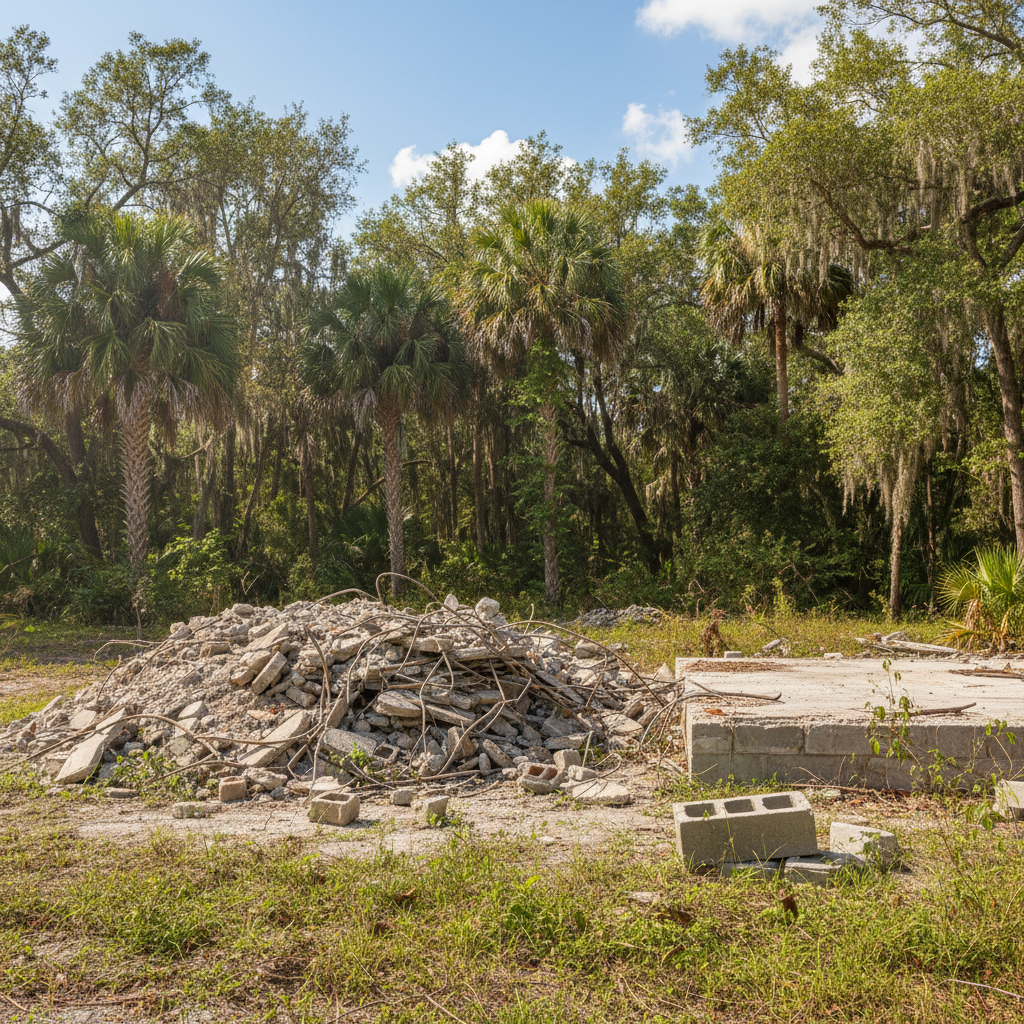
So, you're looking at a structural demolition project, right? Maybe you're clearing a lot for a brand-new building, or perhaps you need to take down an old, unsafe structure. That's a pretty big undertaking, and one of the first things folks around Silver Springs ask me is, "When's the best time to actually do this?" It's a smart question, truly, because our Florida weather isn't just some minor detail; it plays a huge role in how smoothly your demolition goes.
When Should You Schedule Your Structural Demolition?
Honestly, there's no single "perfect" day for a demolition. But some seasons are definitely better than others. If you're planning a full structural teardown, you'll want to think about a few things.
- The Dry Season (Late Fall to Spring): This is usually your best bet, hands down. From about November through May, we see a lot less rain, and the humidity isn't quite so thick and heavy. Less rain means less mud, which makes the site safer for my crew and our equipment. It also means fewer delays because of standing water. Plus, when the ground's drier, it's often more stable — a really big deal when you're bringing in heavy machinery to knock down a building. You'll probably find things move quicker and more efficiently during these months.
- The Wet Season (Summer and Early Fall): From June through October, we get those daily afternoon downpours, sometimes even those intense tropical storms. While we can certainly still work, you just have to be ready for possible delays. Muddy sites are a real pain; they slow us down, make it much harder to haul off debris, and can even create safety risks. If you absolutely have to schedule during this time, we'll make it happen, but just know that being flexible is key. We're always glued to the forecasts.
- Hurricane Season (June 1 - November 30): This overlaps with our wet season, and it's something you simply can't ignore here in Florida. We won't start a major structural demolition if there's a named storm heading our way. It's just too risky, isn't it? You definitely don't want a partially demolished structure becoming a hazard in high winds. We'll always put safety first and secure the site if a storm is coming, even if it means pausing work for a bit.
How Weather Conditions Really Affect the Work
It's not just about rain, you know; other weather elements play a role too. I've been doing this long enough to understand that Mother Nature often calls the shots.
- Rain and Mud: I mentioned this already, but it's worth repeating. Heavy rain turns a job site into a muddy mess. Our heavy equipment, things like excavators and skid steers, can get bogged down. This isn't just annoying; it can damage equipment, make machines work harder (which means more fuel), and absolutely slow down the project. Plus, trying to load wet, heavy debris costs more in trucking because you're paying to haul water.
- High Winds: When you're dealing with a structure coming down, even moderate winds can be a concern. Dust control gets harder, and there's a bigger risk of debris flying where it shouldn't. For a full structural demolition, we're always thinking about wind direction and speed to keep everyone on site safe, along with any surrounding properties.
- Heat and Humidity: While this doesn't stop the demolition itself, it really impacts my crew. We're working hard, often right in the sun, and the heat and humidity can be brutal. We take more breaks, stay hydrated, and watch out for each other. It's just part of working in Florida, but it's something to consider when you're thinking about project timelines.
Protecting Your Investment All Year Round
Even after the demolition, the job isn't entirely finished, especially when it comes to protecting your property and future plans. Here's what you need to keep in mind:
- Site Security: Once a structure is down and debris is gone, you've got an open lot. We always make sure the site is left as clean and safe as possible. But you'll want to think about fencing or other ways to prevent unauthorized access, particularly if it's going to be vacant for a while.
- Erosion Control: This is a big one, especially here in Silver Springs with our sandy, permeable soil. After a demolition, the ground is disturbed, and if you get a heavy rain, you could have erosion issues. This is particularly true if your lot is sloped or near a body of water. We'll talk about temporary measures like silt fences or straw wattles to prevent runoff and soil loss. You really don't want your freshly cleared lot washing away.
- Drainage: Think about how water will flow across your newly cleared property. If you're planning to build, this is absolutely crucial. Proper grading and drainage planning right after demolition can save you major headaches down the road. Nobody wants standing water after every rain shower.
- Permits and Inspections: Your demolition permit isn't just about taking the building down; it often includes requirements for site cleanup and final inspections. Make sure all those boxes are checked to avoid any future problems with the county.
- Future Construction Prep: If you're building anew, the demolition phase is just the beginning. Consider soil testing after demolition to make sure the ground is stable for your new foundation. Sometimes, old foundations or buried debris can affect future construction, and we at Top notch demolition make sure we get everything out so you're starting with a clean slate.
Ultimately, planning your structural demolition around our local climate just makes good sense. It helps ensure the job gets done safely, efficiently, and without unexpected delays or costs. If you've got questions about your specific project and the best time to tackle it, give us a call. We're here to help you get it right.