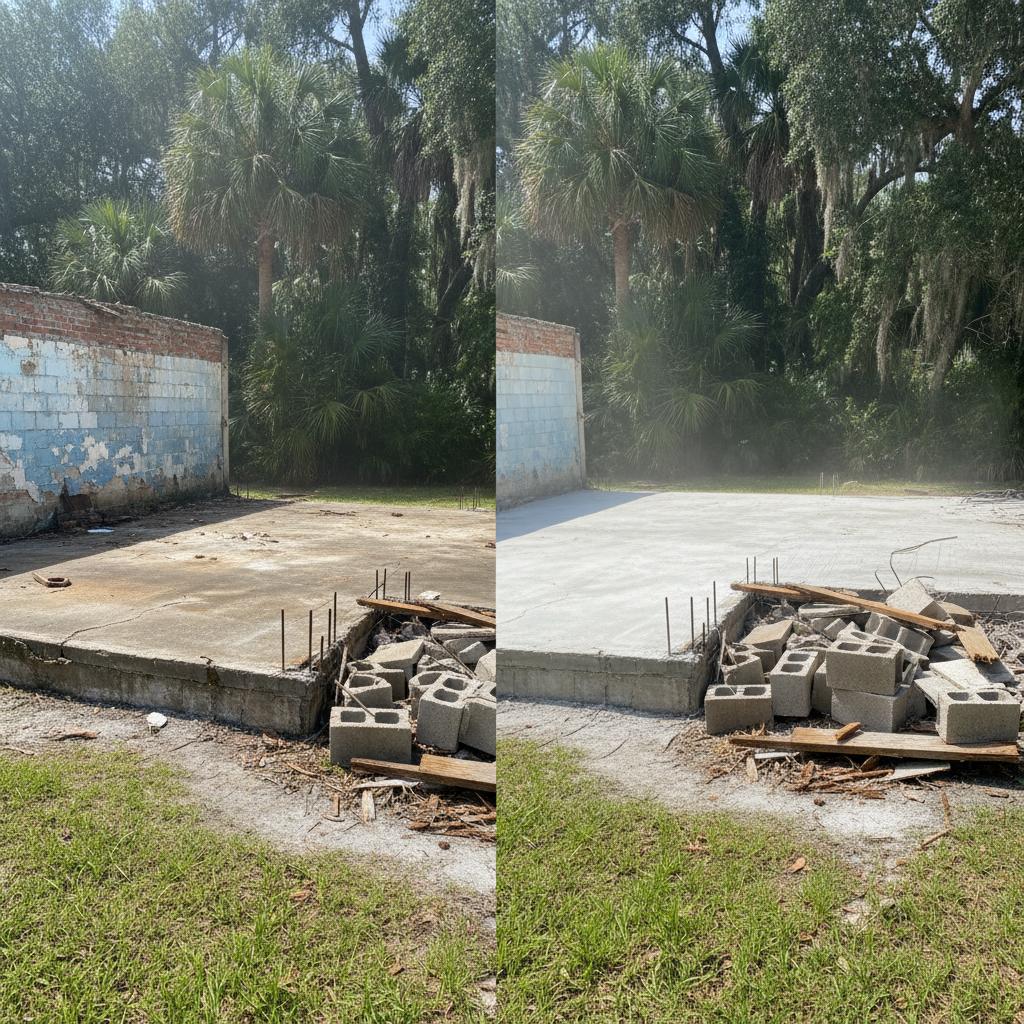
Alright, Silver Springs homeowners, let's talk about making some changes to your place. Sometimes you don't need to knock the whole thing down, just a section of it. Maybe you're opening up a kitchen, adding a new room, or getting rid of an old, unused attached shed. When you're looking at partial demolition, there are generally two main ways folks go about it: what I call 'surgical removal' and 'structural modification.' They might sound a bit fancy, but really, it's all about how much of the existing structure you want to keep and how you plan to use it afterward.
I've seen a lot of projects here in Marion County, and honestly, each approach has its time and place. Let's get into the details so you can make a good decision for your home.
Surgical Removal: The Precise Approach
Think of surgical removal like taking out a specific piece of a puzzle without messing up the surrounding pieces. The industry often calls this 'selective demolition.' It's all about being precise. You're removing a wall, a section of flooring, an old chimney, or a specific part of an exterior without affecting the rest of the building's integrity. It's a focused effort.
Cost
Generally speaking, surgical removal can be less expensive upfront than tearing everything down because you're only targeting specific areas. But don't confuse 'less' with 'cheap.' The precision needed often means more labor-intensive work, sometimes done manually with hand tools to avoid damaging adjacent structures. This can drive up labor costs, which is something most people don't think about until they get the estimate. You'll also need careful planning and possibly an engineer's assessment to make sure what you're taking out isn't load-bearing or important to the remaining structure.
Durability
The durability here isn't about the demolition itself, but about the structure that stays put. If experienced pros like us at Top notch demolition do it correctly, surgical removal should have zero negative impact on the durability of the parts of your home that remain. The goal is to leave the preserved sections as strong and sound as they were before we even started.
Maintenance
Maintenance on the remaining structure shouldn't change at all. Your focus will be on the new construction or renovation that happens after the demolition. However, proper sealing and weatherproofing where the old meets the new are really important, especially with our Florida humidity and rain. You definitely don't want water getting in where a wall used to be, which happens more than you'd think if it's not done right.
Appearance
With surgical removal, the appearance of the remaining structure is, well, unchanged. The whole point is to remove only what's necessary to make way for a new look or layout. The final appearance will depend completely on your renovation plans for the newly opened or modified space.
Structural Modification: Building on the Bones
Structural modification is a bit different. This approach involves removing certain load-bearing elements or big portions of the structure with the intent of immediately rebuilding or significantly changing the existing framework. Imagine taking down a major section, like an entire wing of a house or a garage, but planning to build something new right there, often integrating it with the existing foundation or main structure. This is more than just removing a non-load-bearing wall; it's about changing the fundamental 'bones' of the building.
Cost
Structural modification can be more costly than simple surgical removal. You're dealing with load-bearing elements, which means you'll definitely need an engineer's stamp on the plans, temporary shoring, and often more extensive equipment. The permitting process might also be more involved since you're making big changes to the building's core. In Florida, any demolition, partial or full, requires a permit, which is a key thing to remember.
Durability
When you modify the structure, the durability of the whole building depends heavily on the quality of the new construction and how well it integrates with the old. If done right, with proper engineering and skilled contractors, the modified structure should be just as durable, if not more so, than before. This is where a good contractor makes all the difference – making sure the new supports and connections are solid and built to last, especially considering our local building codes and hurricane considerations.
Maintenance
Maintenance will be similar to any new construction. You'll need to keep an eye on the new connections, roofing, and finishes. Given our intense sun and heavy rain here in Silver Springs, regular checks for leaks or cracks where the new meets the old are really important. Good construction generally minimizes future headaches.
Appearance
The appearance will be significantly altered, often creating a smooth transition between the old and new sections. The goal is usually to make the addition or modification look like it was always part of the original design, or a deliberate, modern update. This requires careful planning of materials and architectural style.
My Recommendation for Silver Springs Homeowners
For most homeowners in Silver Springs looking to make changes, surgical removal is often the more practical and cost-effective starting point if your project is about opening up space, removing outdated features, or getting ready for a straightforward addition that doesn't drastically change the main structural footprint. It minimizes disruption and keeps costs more controlled.
However, if your vision involves a significant expansion, adding a second story, or completely re-imagining the layout that requires altering main load-bearing walls or foundations, then you're looking at structural modification. This route is a bigger undertaking, but it gives you the freedom to truly transform your home. It's often the better choice if the cost of renovation approaches or exceeds 50% of a new build.
Before you even pick up a hammer, get a professional assessment. We can help you figure out if that wall is load-bearing, what permits you'll need from Marion County, and which approach makes the most sense for your goals and budget. And remember, trying to DIY anything structural is a recipe for disaster, especially with Florida's strong building codes. Always call a licensed and insured contractor. We're here to help you do it right the first time.