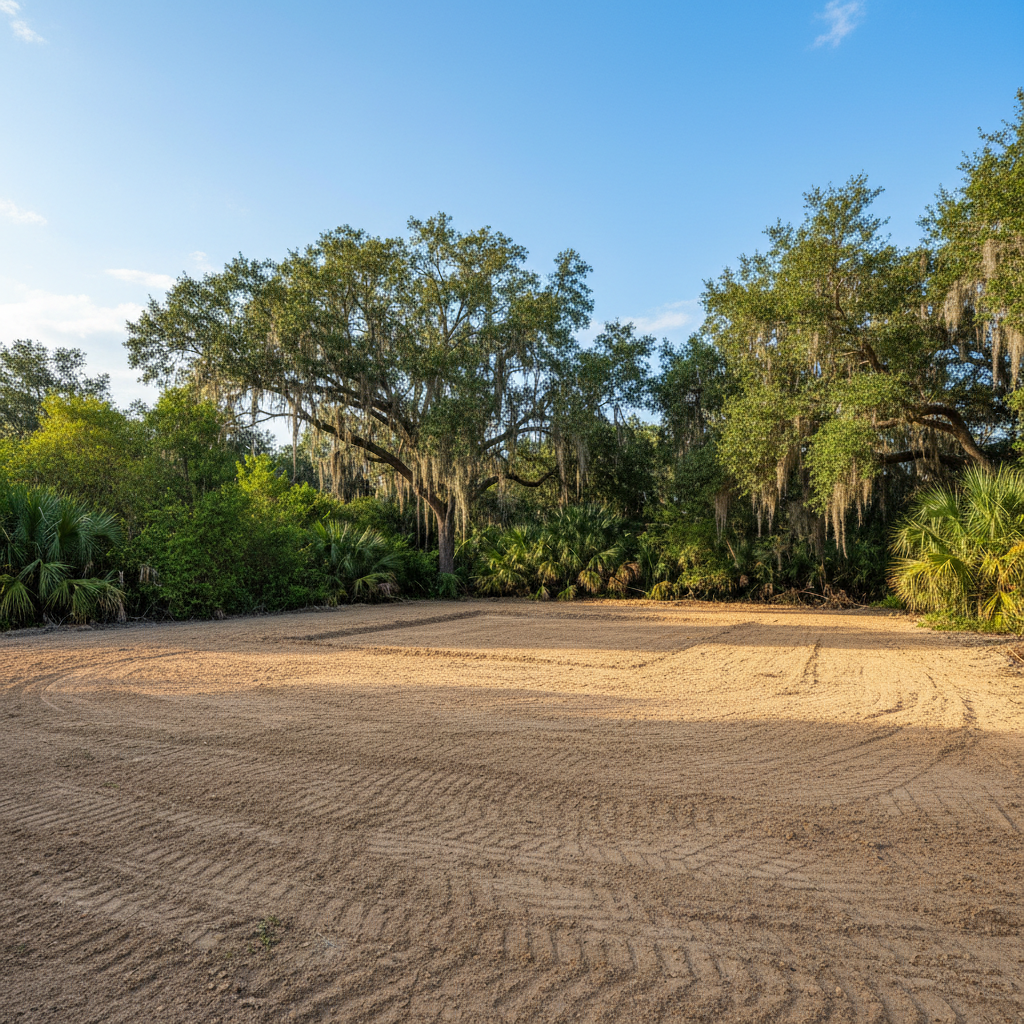
So, you've had some excavation work done. Maybe it was for a new foundation, or a drainage ditch, or even just some serious land clearing. That's great! But honestly, that's not the whole story. Here in Silver Springs, with our heavy rains and the sandy soil we've got, what you do *after* the initial digging is just as important for making sure it actually lasts.
Making Your Excavation Last Longer
The biggest thing you can do to keep your excavation in good shape? Control the water. Water is the enemy of stability, especially with our Florida downpours. You absolutely have to make sure water isn't sitting where it shouldn't, or eroding away the edges of your work. This usually means proper grading and good drainage. If your excavation is a trench or a cut, make sure the ground around it slopes away. That stops runoff from pouring in and undermining the sides. For bigger areas, think about swales or French drains if water tends to collect. And compacting the soil is super important; if they didn't do it right the first time, it's just going to settle and erode more easily.
Another thing I always tell people: vegetation. It’s not just there to look pretty. Grass, ground cover, or even small shrubs with shallow root systems can really help hold exposed soil in place. Their roots bind the dirt together, making it much harder for the rain to wash it away. Just be careful not to let trees or large bushes grow too close to critical areas, because their roots can sometimes cause other problems later on, especially with underground pipes or foundations.
What Regular Maintenance Looks Like
Keeping an excavation maintained isn't rocket science, but it does need a little attention. After any big rain – and we certainly get our share, especially during summer storm season – go take a look. Walk around the edge of the excavated area. Are there new ruts or channels forming where water is flowing? Are the edges still sharp and defined, or are they starting to round off and slump? You know, the usual.
You'll want to clear out any debris that's piled up. Leaves, branches, even trash can block drainage paths, causing water to back up and sit in places it shouldn't. If you have drainage pipes or culverts, make sure they're clear of silt and anything else that might be blocking them. Sometimes, just a little bit of hand-shoveling to redirect minor runoff or fix a small wash-out can save you a much bigger headache later. If you spot small cracks or minor erosion, dealing with them quickly with some fill dirt and compaction can keep them from becoming major issues.
Warning Signs of Trouble
Don't ignore the small stuff. It almost always turns into big stuff. Here are some warning signs you really should be looking out for:
- Slumping or bulging: If the sides of your excavation are starting to sag inwards or bulge outwards, that's a clear sign of instability. The soil isn't holding its shape at all.
- Deep cracks: Small surface cracks are one thing, but if you see cracks that are deep and wide, especially running parallel to the edge of the excavation, that means the whole soil mass is shifting.
- Standing water: Puddles that don't drain within a reasonable amount of time (say, a day or two after rain) point to a drainage problem or a low spot collecting water, which can soften the soil and lead to instability.
- Excessive erosion: This is more than just a little bit of soil washing away. If you're seeing significant gulleys or large amounts of soil being displaced, your stabilization efforts just aren't cutting it.
- Uneven settling: If you notice the ground around the excavation is sinking unevenly, or if structures nearby (like a fence or a small shed) are tilting, that's a major red flag that the ground underneath is unstable.
When to Call a Professional
You can handle the small things, sure, but there are definitely times when you need to bring in the pros. If you see any of those major warning signs I just mentioned – significant slumping, deep cracks, or uneven settling – please, don't try to fix it yourself. You could make it worse, or even put yourself in a dangerous spot.
If your drainage solutions aren't working, or if you're constantly fighting standing water, it's time for an expert to assess the situation. Sometimes the grading needs to be completely re-done, or a more serious drainage system needs to be installed. Here at Top notch demolition, we've truly seen it all. We can come out, take a look at what's going on, and give you an honest assessment. We'll tell you if it's something you can handle with a shovel and some elbow grease, or if it requires heavy equipment and a more engineered solution. It's always better to get a professional opinion early on than to wait until you've got a much larger, more expensive problem on your hands.
Don't let your investment in excavation go to waste. A little bit of vigilance and timely action can save you a lot of grief down the road.