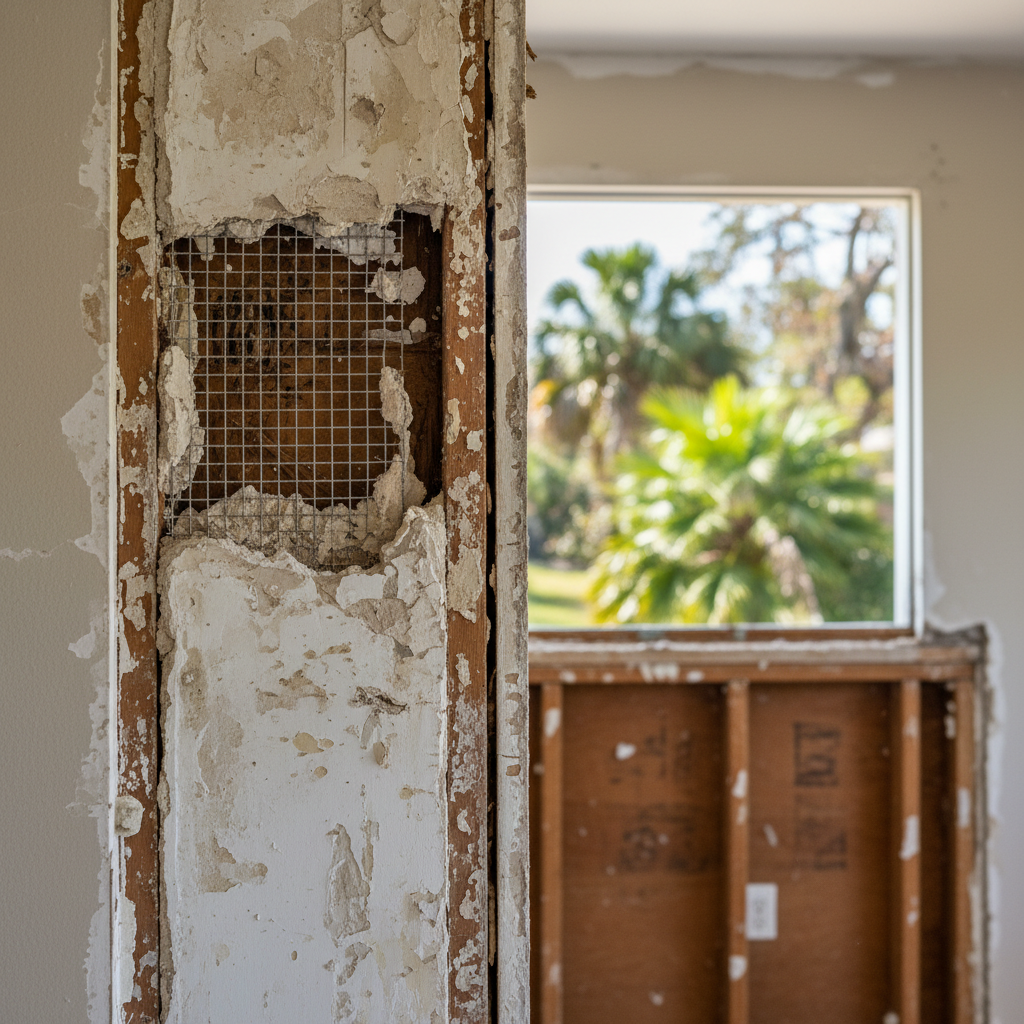
Alright, Silver Springs, let's talk about tearing stuff out inside your house. Maybe you're finally getting rid of that avocado green bathroom, or you're opening up a kitchen wall. Interior demolition can be a pretty satisfying job, but it's not just about swinging a sledgehammer. There's a right way and a wrong way to do it, and knowing the difference can save you a whole lot of headaches—and maybe even a trip to the emergency room.
Before You Even Think About Demo Day
First things first: planning. You wouldn't build a house without a blueprint, so don't start tearing one apart without a plan either. What exactly are you removing? A non-load-bearing wall? Cabinets? Flooring? The more specific you are, the better.
- Know Your Walls: This is huge. Is that wall load-bearing? If you take out a load-bearing wall without proper support, you're looking at a structural nightmare, not a renovation. If you're not 100% sure, get a structural engineer or a knowledgeable contractor to take a look. Seriously, don't guess on this one.
- Utilities, Utilities, Utilities: Before any demo, you've got to find and disconnect everything running through the area. That means turning off the power to the circuit you're working on at the breaker box, shutting off the water supply, and maybe even capping off gas lines if you're dealing with a kitchen. You definitely don't want to hit a live wire or burst a pipe. Trust me, I've seen it happen.
- Protect Your Home: Cover anything you're not demolishing. Lay down heavy-duty tarps or plastic sheeting on floors, seal off doorways with plastic and tape to keep dust from spreading, and move furniture out of the way. Dust gets everywhere, and I mean *everywhere*.
- Get the Right Gear: You'll need safety glasses, a good dust mask (N95 or better), heavy gloves, sturdy boots, and ear protection. For tools, a sledgehammer, pry bar, reciprocating saw, and a good utility knife are usually a good start.
- Permits: For most interior cosmetic demolition (like removing cabinets or ripping up flooring), you probably won't need a permit from Marion County. But if you're changing structural parts, altering plumbing or electrical layouts significantly, or removing load-bearing walls, you absolutely will. Always check with the county's building department. It's better to ask than to get a stop-work order, right?
During the Mess: What You Can Tackle and When to Call In Help
Okay, so you've planned, protected, and geared up. Now for the fun part. For a lot of homeowners, tearing out cabinets, old flooring (like tile or laminate), drywall from non-load-bearing walls, or bathroom fixtures is totally doable. It's dusty, it's tiring, but it's not rocket science.
When you're pulling down drywall, score the seams first, then carefully pry it off the studs. For cabinets, find the screws holding them to the wall and ceiling, then remove them. Flooring often involves a pry bar and some elbow grease. Always work methodically and safely. Don't try to take out huge sections all at once; break it down into manageable pieces.
Now, when should you call a pro like us at Top notch demolition? If you're dealing with anything structural, like I mentioned, get an expert. If you uncover something unexpected, like extensive mold or asbestos (especially common in older homes around Silver Springs built before the 80s), stop immediately and call a professional. Asbestos abatement is not a DIY job. Also, if you're feeling overwhelmed, or if the project is bigger than you anticipated, there's no shame in calling for help. We've got the tools, the experience, and the crew to get it done safely and efficiently.
Another big one: electrical and plumbing. While you can disconnect these, rerouting or capping them off permanently often requires a licensed electrician or plumber. You don't want to risk electrical fires or water damage, do you?
After the Dust Settles: Cleanup and Disposal
Once the demo is done, you're left with a mountain of debris. This is where many DIYers underestimate the job. You can't just put construction debris out with your regular trash. You'll need to rent a dumpster or make multiple trips to the Marion County Baseline Road Landfill. Factor in the cost of disposal when you're budgeting your project.
Clean up thoroughly. All that fine dust will get into everything. Use a shop vac with a HEPA filter, wipe down surfaces, and air out the space. The cleaner you get it now, the easier the next phase of your renovation will be.
Interior demolition can be a great way to save some money and get a head start on your renovation. Just make sure you're doing it smart, safely, and knowing your limits. If you ever have questions, or if you decide it's more than you want to chew off, give us a call. We're here to help.