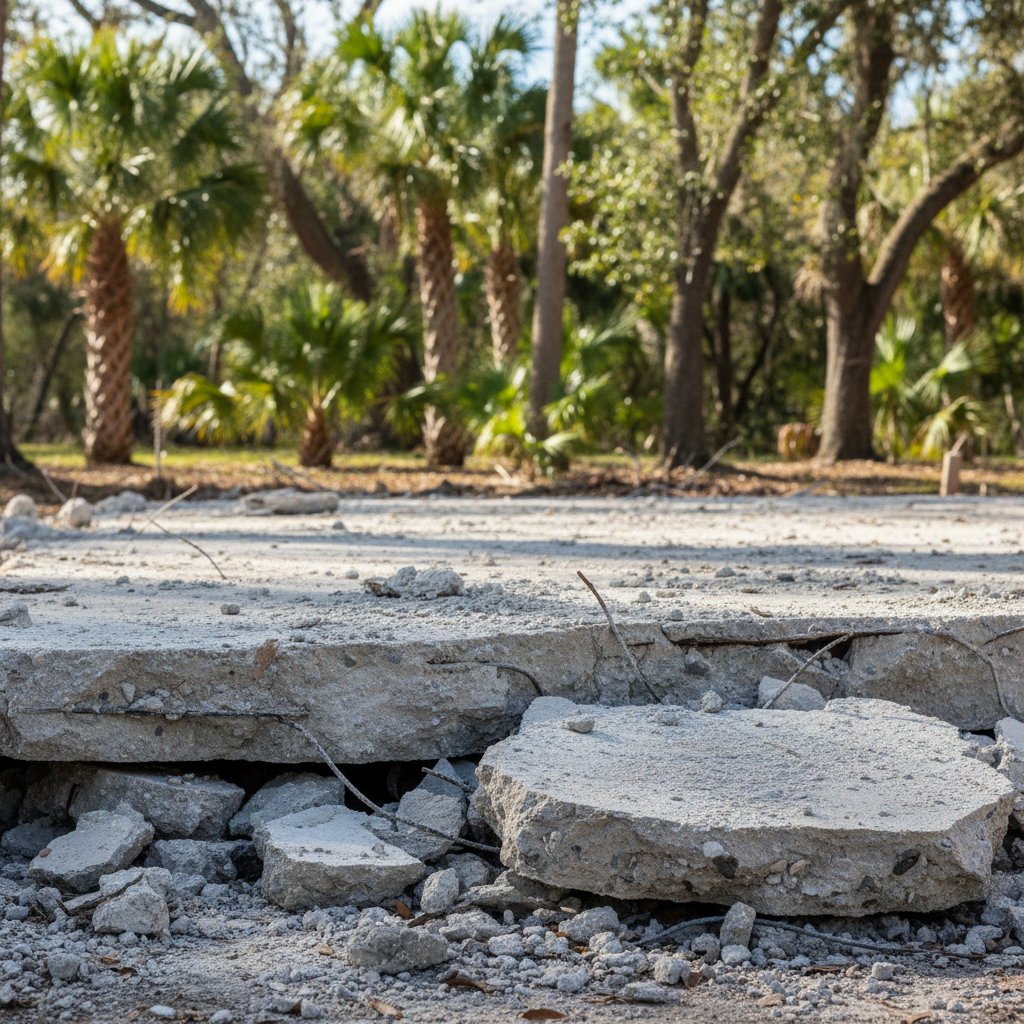
Got some old, cracked concrete you're itching to get rid of? Maybe it's that crumbling shed foundation, a busted walkway, or a small patio that's seen better days. I get it; the idea of doing it yourself can be appealing. Save a few bucks, get some exercise, feel that satisfaction. But here's the thing: concrete demolition isn't always as straightforward as it looks on YouTube. You've gotta know what you're getting into, what you can actually DIY, and when it's time to pick up the phone.
Before You Even Think About Swinging a Hammer
First off, let's talk permits. For most small, non-structural concrete removal jobs on your own property – like a patio or a driveway section – you probably won't need a permit from Marion County. But if it's connected to your house, or part of a bigger renovation, or involves anything structural, you absolutely need to check with the county building department. Don't skip this. A quick call can save you a huge headache later.
Next, figure out what kind of concrete you're dealing with. Is it just a thin slab, maybe 2-4 inches thick? Or is it a monster 6-inch slab with rebar running through it? The thicker it is, and the more reinforcement it has, the tougher the job gets. Also, know what's underneath it. You really don't want to accidentally hit a water line, electrical conduit, or a gas pipe. Call 811 a few days before you plan to start digging or breaking. It's a free service, and they'll mark underground utilities. Seriously, don't mess around with this; hitting a utility line is dangerous and expensive.
Finally, think about the mess. Concrete makes a lot of dust and debris. How are you going to get rid of it all? A small pile might fit in your pickup, but a whole patio? You'll need a dumpster or a plan to haul it to a proper disposal site. Landfills charge by weight, and concrete is heavy. Factor that into your budget.
What You Might Be Able to DIY
If you're dealing with a small, unreinforced concrete slab – say, a 2x2 foot section of a sidewalk that's only 3-4 inches thick – you might be able to tackle it yourself. Here's what you'll need:
- Safety Gear: This isn't optional. Eye protection, heavy-duty gloves, steel-toed boots, long pants, and hearing protection are a must. Concrete dust is nasty, so a good respirator isn't a bad idea either.
- Tools: A heavy-duty sledgehammer (10-12 lbs), a pry bar, a shovel, and maybe a cold chisel. For slightly larger jobs, you might rent an electric jackhammer. Don't go buying one unless you plan on doing a lot of concrete work.
- Technique: Start by scoring the concrete with a chisel or a rented concrete saw if you want a clean break line. Then, hit it hard and repeatedly with the sledgehammer. Aim for the edges and work your way in. Once it cracks, use the pry bar to lift and break off smaller pieces.
Remember, this is physical work. Silver Springs summers are brutal, so plan your work for early mornings or cooler days. Stay hydrated. Take breaks. Don't overdo it.
When to Absolutely Call a Pro
Look, I'm all for homeowners getting their hands dirty, but there are definite times when you need to call in the cavalry. As a local business owner with Top Notch Demolition, I've seen it all, and trust me, trying to DIY some of these jobs can go wrong fast.
- Large Slabs or Foundations: Anything over 100 square feet, or thicker than 4 inches, especially if it has rebar, is usually a job for pros. We've got the heavy equipment – hydraulic breakers, skid steers, concrete saws – that make quick work of what would take you weeks.
- Structural Concrete: If it's part of your home's foundation, a retaining wall, or anything that supports weight, do not touch it. You could compromise your home's integrity.
- Tight Spaces or Close to Utilities: If the concrete is right up against your house, a fence, or near marked utility lines, precision is key. Our crews are trained to work carefully in these situations.
- Time Constraints: Need it done fast? We can get it done in a fraction of the time it would take you.
- Hazardous Materials: Sometimes, old concrete might have asbestos or other nasty stuff mixed in, especially if it's from an older structure. If you suspect this, you need professionals who can test and handle it safely.
- Just Don't Want To: Honestly, sometimes you just don't want to deal with the sweat, the dust, the hauling, and the potential for injury. That's perfectly fine! That's what we're here for. We'll handle the permits, the heavy lifting, and the cleanup, leaving you with a clean slate.
The sandy soil we have around here in Silver Springs can sometimes make concrete removal a bit easier for smaller pieces, as you don't have to fight through tough clay or rocks underneath. But that doesn't change the concrete itself. Breaking up concrete is hard work, no matter where you are.
So, before you strap on those boots and grab that sledgehammer, take an honest look at the job. Is it a small, manageable piece, or are you looking at a project that's way over your head? Sometimes, the smartest DIY move is knowing when to call in the experts. It'll save your back, your time, and probably a few headaches too.