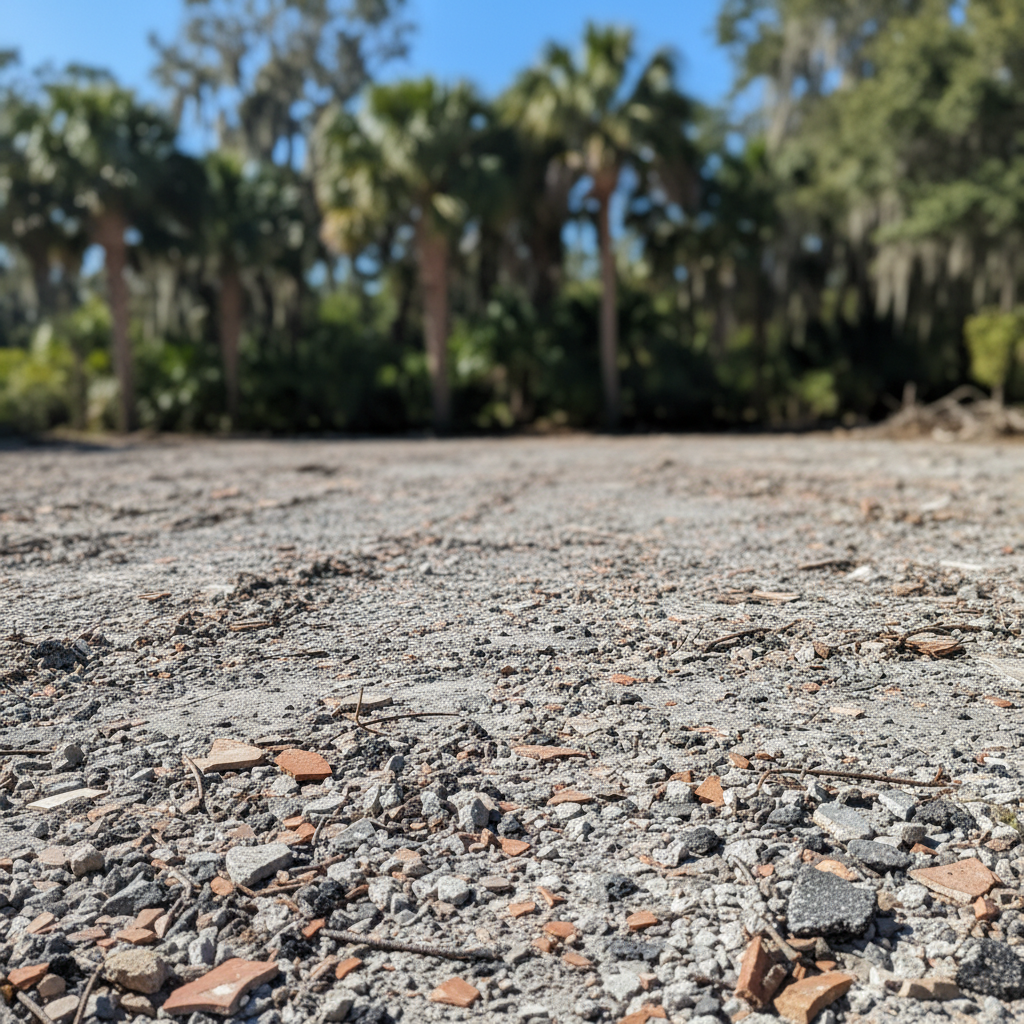
Alright, let's talk trash. Not the gossip kind, but the actual debris that piles up when you're doing a home project. Whether you're tearing out an old bathroom, clearing a yard after a storm, or just doing a big cleanout, you're going to end up with a pile of stuff that needs to go. And here in Silver Springs, you can't just leave it on the curb and hope for the best. You've got options, sure, but you need to know what you're getting into.
Before You Start: Planning Your Debris Strategy
This is where most folks mess up. They focus so much on the actual work – swinging the hammer, pulling up old flooring – that they completely forget about the aftermath. Don't do that. Think about your debris removal plan before you even make that first cut.
- Estimate the Volume: Seriously, try to visualize how much junk you'll have. A small bathroom demo? Probably a few cubic yards. Clearing out an entire garage? That's a different ballgame entirely. Always overestimate rather than underestimate, trust me.
- Identify Material Types: This is crucial. Are you dealing with construction and demolition (C&D) debris like wood, drywall, concrete? Or are we talking household junk, old furniture, yard waste? Different materials often have different disposal requirements and costs. Old appliances or tires, for example, can be a real pain.
- Check Local Regulations: Marion County has rules. You can't just burn everything, and there are limits on what your regular trash service will pick up. Look up the Marion County Solid Waste Department's guidelines. They'll tell you about household hazardous waste events, bulk pickup rules, and what's accepted at the landfill.
DIY Debris Removal: When It Makes Sense
For smaller projects, you absolutely can handle the debris yourself. It's usually cheaper, and you can work at your own pace. Here's what you'll need to consider:
- Your Vehicle: Got a pickup truck? Great. A small SUV? Maybe for a few bags of yard waste, but that's about it. You'll need to haul it to a transfer station or landfill. Remember, Florida's heat and humidity mean you don't want organic waste sitting in your truck bed for days.
- Tools and Safety Gear: Heavy-duty gloves, safety glasses, a dust mask, and sturdy shoes are non-negotiable. You'll also want a good shovel, a wheelbarrow, and maybe some tarps to protect your vehicle.
- Disposal Costs: Landfills and transfer stations charge by weight or volume. Call ahead to the Marion County Baseline Landfill or a local transfer station to get their current rates. It's usually not too bad for small loads, but it adds up quickly.
- Time and Effort: This is the big one. Are you willing to spend a Saturday loading, driving, unloading, and cleaning up? If it's a small pile of old lumber from a fence repair, probably. If it's a whole shed full of stuff, maybe not.
When to Call a Pro: Save Your Back (and Your Wallet)
Look, I run Top notch demolition. We deal with debris all the time. There's no shame in calling in the experts, especially when the job gets big or complicated. Here's when you should seriously consider it:
- Large Volume Projects: Demolishing a deck, gutting a kitchen, or clearing out a hoarder's house? That's too much for your pickup. You'll need a dumpster or a junk removal service.
- Heavy or Awkward Materials: Old concrete slabs, large tree stumps, or really bulky furniture are tough to move. Professionals have the equipment and manpower to handle it safely.
- Hazardous Materials: If you suspect asbestos, lead paint, or other hazardous materials, DO NOT touch it. Call a certified professional immediately. It's not worth the risk to your health or the environment.
- Time Constraints: If you need the debris gone fast – maybe you're selling the house, or another contractor is waiting – a professional service can usually get it done quicker than you can.
- Convenience: Sometimes, you just don't want to deal with it. You've got enough on your plate. A junk removal service will come to your property, load everything up, and haul it away. It's a lifesaver for many homeowners.
We've seen plenty of folks try to save a buck and end up hurting themselves or getting fined because they didn't dispose of things properly. Especially with our sandy soil around here, you don't want to be dumping anything that could leach into the groundwater. It's just not worth it.
During the Project: Keeping Things Tidy
Even if you're hiring a pro for the final haul, keeping your worksite organized helps everyone. Designate a specific area for debris. If you're using a dumpster, try to load it efficiently – break down larger items, stack flat pieces. This maximizes space and can save you money if you're paying by volume.
After the Project: Final Touches
Once the big stuff is gone, you'll still have some cleanup. Sweep up any small bits, make sure all nails and screws are picked up (especially if you have kids or pets). If you had a dumpster, check the area for any spilled debris. A good final sweep makes a huge difference in how clean your property feels.
So, there you have it. Debris removal isn't the most glamorous part of any home project, but it's a critical one. Plan ahead, know your limits, and don't be afraid to call in help when you need it. It'll save you headaches, backaches, and potential fines down the road.