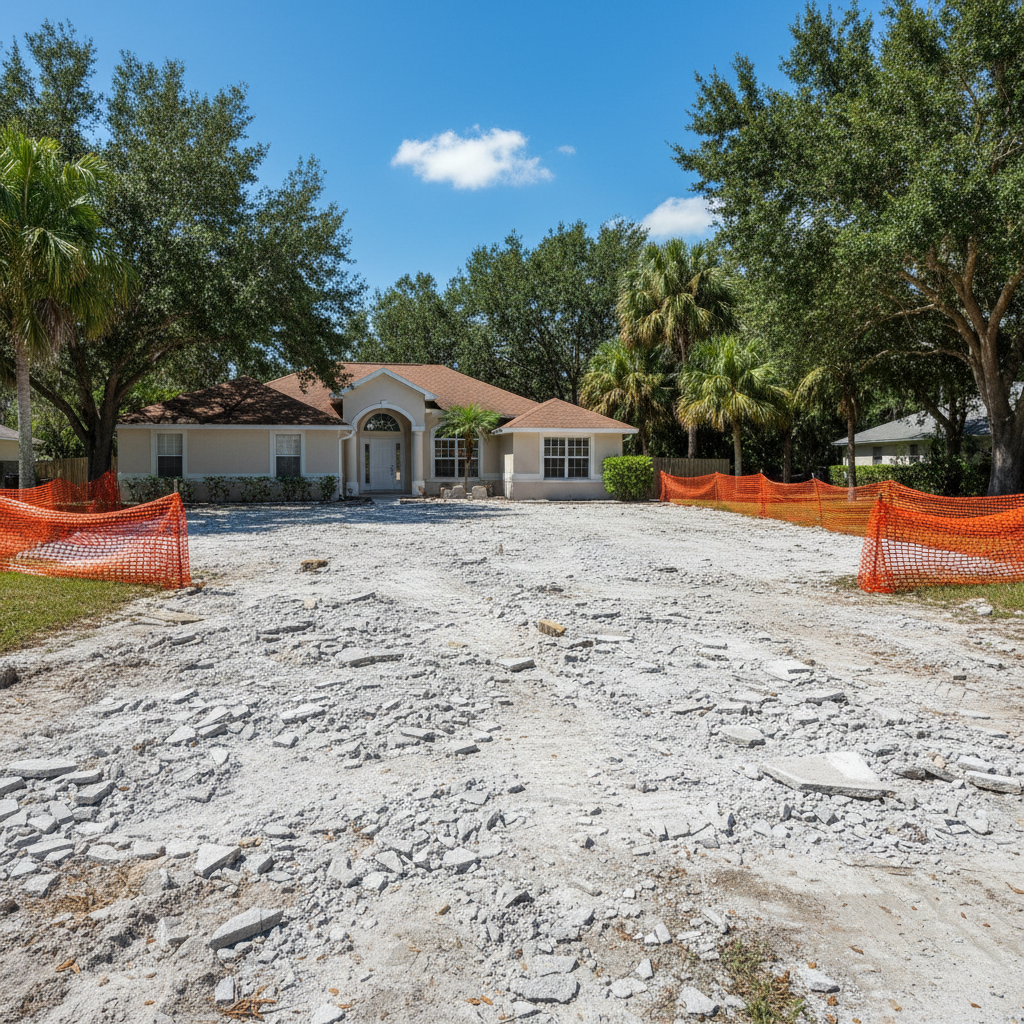
So, you've got some concrete that needs to go, huh? Maybe it's an old, cracked driveway, or a patio that's really seen better days. Could even be a foundation for a shed you're replacing. Whatever it is, getting rid of concrete isn't just about grabbing a sledgehammer and going to town. There's a whole process involved, and if you're a homeowner here in Silver Springs, you'll definitely want to be ready for it. I've been in this business for a long time, and I've seen folks get pretty overwhelmed, so let's just walk through what you can expect.
Your Project Timeline: Don't Rush It
First off, don't expect this whole thing to happen overnight. A concrete demolition project, even for something relatively small like a driveway, has a few stages. Here's roughly what you're looking at:
- Initial Inquiry & Consultation (1-2 weeks): You'll reach out to a few contractors, they'll come out, take a look at the job, and give you an estimate. This isn't just about the price; it's also about getting a feel for who you'll be working with.
- Permitting (2-4 weeks, sometimes more): This is a big one, a real bottleneck sometimes. Depending on the size and type of concrete you're removing—especially if it's structural or tied into public utilities—you might need a permit from Marion County. Don't even think about skipping this step. A good contractor will handle it, but it does take time.
- Scheduling (1-3 weeks): Once those permits are in hand, you'll get on the contractor's schedule. Reputable companies are usually booked out a bit, so plan ahead.
- Demolition & Cleanup (1-5 days): This is the actual work. Smaller jobs might wrap up in a day, while bigger ones could easily take a week. This stage includes breaking up the concrete, loading it up, and hauling it away.
- Final Inspection (if needed): If a permit was required, an inspector might need to come out and sign off on the work.
So, from your very first call to the job being completely done, you're realistically looking at anywhere from 6 to 10 weeks. Maybe even more for really big projects. Plan accordingly, especially if you've got other construction lined up right after the demo.
What Happens During the Demolition?
When the crew from Top notch demolition shows up, here's what you'll typically see:
- Site Preparation: We'll cordon off the area, make sure utilities are clearly marked (or disconnected if necessary), and protect anything nearby that shouldn't get damaged. Those prize-winning azaleas? We'll cover 'em.
- Breaking It Up: This is the noisy part, for sure. We use heavy equipment like hydraulic hammers, jackhammers, and sometimes even excavators to break the concrete into pieces we can manage. For thicker slabs, especially those with rebar, it's a real workout.
- Loading & Hauling: Once it's broken, we load the pieces into dump trucks. Concrete is heavy, so for bigger projects, it takes a lot of trips. We're also careful to separate any rebar or other materials for proper recycling or disposal.
- Site Cleanup: We'll sweep up smaller debris, remove any remaining rebar, and leave the area as clean as possible. You shouldn't be left with a mess.
Expect noise, dust, and heavy machinery. It's not a quiet process, is it? Keep kids and pets well away from the work zone for their safety.
How to Prepare Your Property
You can actually help make the whole process smoother. Before the crew arrives:
- Clear the Area: Move anything valuable or fragile away from the concrete. Patio furniture, potted plants, garden hoses — just get 'em out of there.
- Access: Make sure there's a clear path for our equipment and trucks. If we're working on a backyard patio, we might need to drive over your lawn, so consider laying down plywood to protect it.
- Utilities: Know where your underground irrigation lines, gas lines, or electrical conduits are. Even if they're marked, it's good for you to be aware. Silver Springs often has older homes with irrigation systems that people sometimes forget about.
- Talk to Neighbors: Give your neighbors a heads-up about the noise and activity. A little courtesy goes a long way.
Questions to Ask Before You Sign That Contract
Don't just go with the cheapest bid, okay? Ask these questions:
- Are you licensed and insured? This is non-negotiable. You absolutely need a contractor who carries liability insurance and workers' comp. Ask for proof.
- What's included in the price? Does it cover permits, debris removal, and site cleanup? Get a detailed breakdown.
- How will you protect my property? Ask about their plan for protecting your lawn, landscaping, and nearby structures.
- What's your timeline for this specific project? Get a realistic start and completion date.
- What happens if you hit an unmarked utility line? Understand their protocol and who's responsible.
- Can you provide references? Talk to past clients. See their work.
- What's your plan for dust and noise mitigation? While some is unavoidable, they should have strategies.
- What's your payment schedule? Never pay the full amount upfront. A reasonable deposit is fine, with payments tied to project milestones.
Choosing the right contractor really makes all the difference. You want someone experienced, reliable, and who communicates clearly. Do your homework, ask the tough questions, and you'll be well on your way to a successful concrete demolition project.